
Three ways into a science question
From a rice cooker to the color of stars
Try Samulgung-i for an everyday question, Science Cookie for an analogy, or Unreal Science for a longer explanation. Choose by the question and time you have.

Start with Samulgung-i’s 1-minute-14-second rice-cooker question for a short everyday explanation. Try Science Cookie for physics through an analogy, or Unreal Science for a longer exploration of star color.
| Creator · subscribers | What you want | First video |
|---|---|---|
| Samulgung-i · about 1.56M | One everyday question | The thin film in a rice cooker · 1:14 |
| Science Cookie · about 448K | A physics analogy | Measuring light’s speed · about 3 minutes |
| Unreal Science · about 1.41M | Follow one question in depth | Green stars · about 13 minutes |
Basis: explanation style, duration and displayed YouTube counts, checked November 1, 2026. The videos are Korean; English captions have not been verified.
Samulgung-i — begin with an everyday question
Have you noticed a thin film on the rice cooker’s wall while serving rice? Samulgung-i answers first, then explains changes in starch with heat and water. At 1:14, the whole video is short enough to follow one question to its conclusion.


Short does not mean free of terminology. Amylose, gelatinization and retrogradation arrive quickly. Watch 00:13–00:54 for the sequence, pausing over unfamiliar words. The ending returns to why the film is noticeable on the cooker wall. Try answering the opening question in your own words afterward.
 1m 14s totalWatch segment Meet the creatorSamulgung-iHave you noticed a thin film on the rice cooker’s wall while serving rice? Samulgung-i answers first, then explains changes in starch with heat and water.At 1:14, the whole video is short enough to follow one question to its conclusion.Read creator guide
Science Cookie — approach physics through an analogy
The roughly three-minute video begins with Bradley encountering unexpected results while observing stars. Follow how a question connects with an observation, rather than starting with equations.
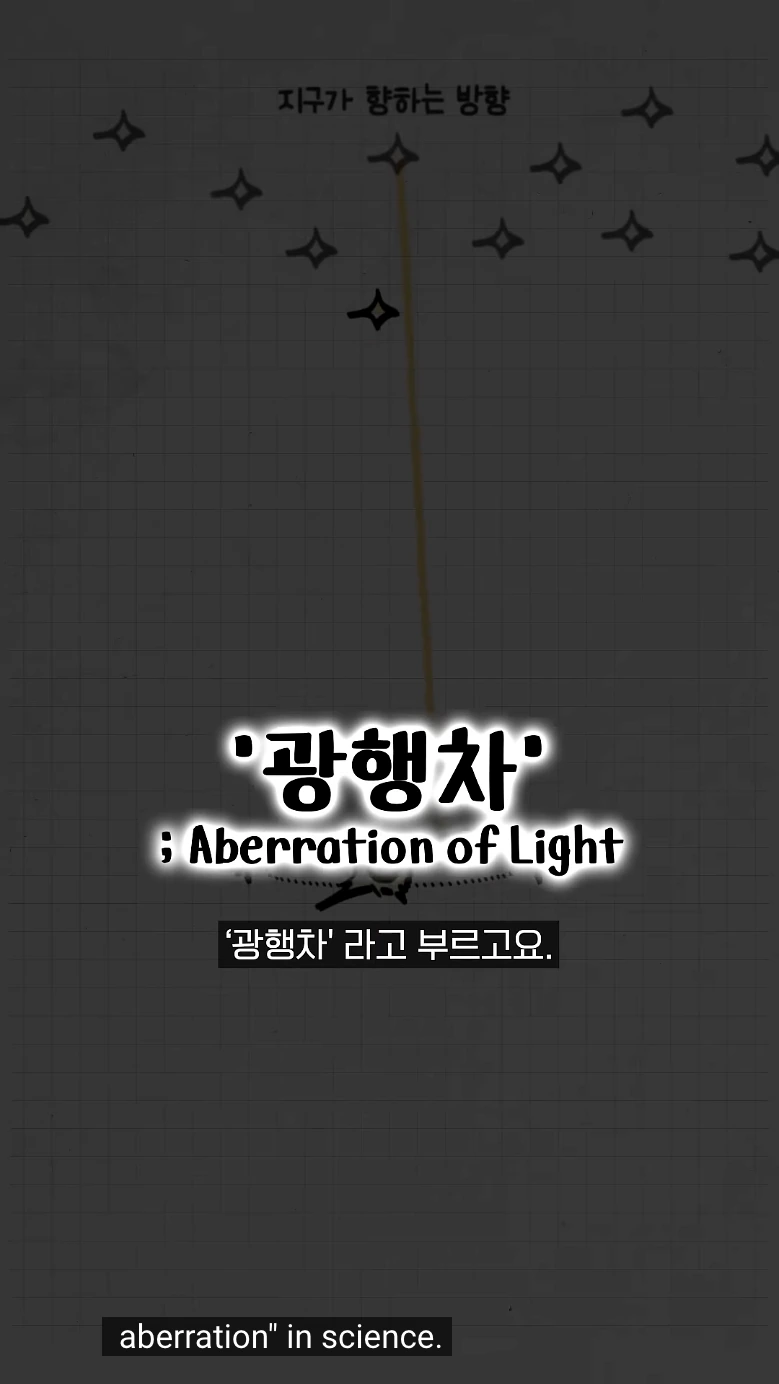

Start at 01:33–02:17. The presenter compares stellar aberration with rain seeming to strike from the front as you run. Then return to the earlier star observations. Later, the video uses angles and speed in a calculation, but it is not a step-by-step calculation exercise. If both parallax and aberration are new, begin by distinguishing the terms.
 01:33–02:17 · about 3m totalWatch segment Meet the creatorScience CookieThe roughly three-minute video begins with Bradley encountering unexpected results while observing stars.Follow how a question connects with an observation, rather than starting with equations.Read creator guide
Unreal Science — follow a question for longer
If a short answer leaves you asking why, try this roughly 13-minute discussion of green stars. The initial 00:48–03:43 moves through stellar temperature, the distribution of emitted light and human color perception. It asks whether the highest point on a graph determines the color we see.
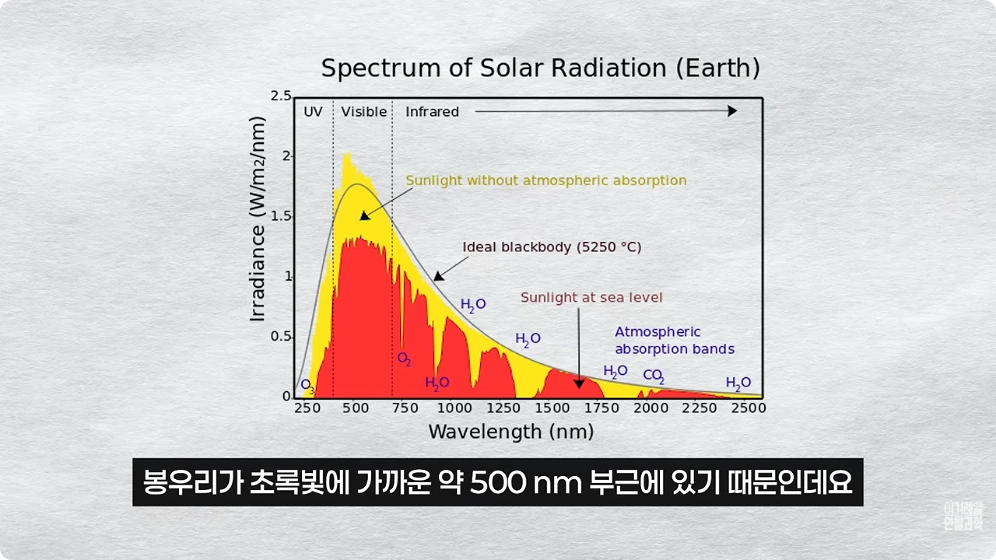

The later white-dwarf research example introduces more terminology. Listen for the qualification that the greenish color discussed is predicted from a spectrum. Do not read it as a photograph showing a visibly green star. The opening explanation is enough for a first viewing; continue to the research example if you want more.
 00:48–03:43 · about 13m totalWatch segment Meet the creatorUnreal ScienceIf a short answer leaves you asking why, try this roughly 13-minute discussion of green stars.The initial 00:48–03:43 moves through stellar temperature, the distribution of emitted light and human color perception. It asks whether the highest point on a graph determines the color we see.Read creator guide
To explore beyond science, compare creators covering books, humanities and art. This guide evaluates explanation styles and starting segments. Screenshots preserve their original labels; English captions here explain what to notice.